


Experts identify pandemic threat infections
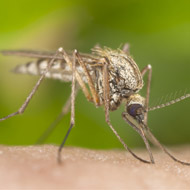
The diseases include MERS coronovirus, several mosquito-borne viruses and relatives of the Ebola virus.
Over 30 infections that are likely candidates for the next major pandemic have been identified by experts at the University of Edinburgh.
Researchers employed a method that was used to predict the threat of both Zika and Ebola viruses before they emerged to cause major epidemics.
Their study pinpointed a further 37 different viruses that have already shown some ability to spread between people.
Of greatest concern, the researchers said, are those that have caused disease outbreaks in the past. This includes MERS coronavirus, several mosquito-borne viruses, and relatives of the Ebola virus.
“Monitoring these infections should be prioritised because relatively minor changes in their ecology could lead to major changes in the threat they pose to public health,” commented Professor Mark Woodhouse.
In the study, published in Emerging Infectious Diseases, the experts reviewed characteristics of the viruses. This included what species they can infect and how easily they can adapt to new hosts. They also considered the severity of the illnesses they cause.
The team says that while the infections mostly affect animals at present, they could pose a major threat to human health if they become able to spread more easily between people.
Surveillance of these viruses should be stepped up to avoid major public health crises, they conclude.


 Companies marketing medicines for small pets exempt from authorisation must submit their annual return to the Veterinary Medicines Directorate (VMD) by 30 November 2026.



