


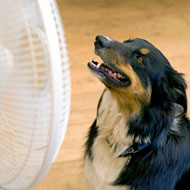
RSPCA issues warning after influx of calls
The RSPCA are reminding owners that all sorts of animals can suffer during hot weather after calls pour into the charity during the heatwave.
Pets, wildlife and farm animals are all falling victim to the high temperatures.
Over last weekend, Friday 18 - Monday, July 21, the RSPCA received nearly 400 calls about animals affected by the heat, including a rabbit left outside without shade or water; a parrot left trapped in a hot car; a cage of hamsters left in a petshop window in direct sunlight; a horse left tethered in 82 degree heat unable to move to get water; a cat trapped in a glass box and around 30 chicks kept in a wire cage with no access to shade.
RSPCA pet welfare expert Dr Jane Tyson said: “Hot weather can cause problems for all animals. Every summer we urge people to take extra precautions during the heat but sadly our inspectors on the ground are still being faced with distressing situations that could have been avoided.
"We have already had calls about animals such as rabbits dying in their cages due to the heat and lack of access to water. While we hope the message is starting to get through to people that hot cars can be death traps for dogs, it is really important to remember that other animals may be suffering too."
The charity has issued ten top tips to help keep animals safe -
1. Never leave an animal in a car in warm weather. On warm or sunny days cars heat up quickly. Every summer RSPCA inspectors are regularly called out to reports of animals being left in hot cars. Sadly, some of them die because of their thoughtless owners. Pets should not be left in conservatories, greenhouses and caravans either.
2. Don't let your pet get sunburnt. Animals can suffer from sunburn too, particularly white cats and dogs. Ear-tip cancer is more common in white cats and is very similar to malignant melanoma in humans. Owners should cover any white extremities, especially ear tips, with pet safe sun cream at least once a day before the animal goes outside.
3. Make sure all pets have access to shade and a constant supply of fresh drinking water. All cages and enclosures should be kept in the shade. Watch out for warning signs of heatstroke. If your dog pants heavily, is lethargic or collapses put them in a cool spot and spray with cool water immediately. Always contact a vet urgently for advice.
4. Check your pets for fleas, ticks and mites. Heat brings out nasty creepy-crawlies, so check pets regularly. Excessive scratching and itching are the first signs of infestation. If your pets have fleas a flea treatment from your vet is advised.
5. Check twice a day for fly-strike. Flies like to lay their eggs in fur of rabbits, guinea pigs, dogs and cats. If an animal infected with fly-strike is not treated straight away it could die a painful death. Animals should be kept clean and their back end checked every day. If it is dirty, clean immediately with warm water and dry. Bedding should be changed every week during the summer.
6. Don't allow animals to exercise excessively in the heat. During hot weather walk your dog in the cooler periods such as early morning or evening - when it is at a decreased risk of heatstroke.
7. Fish suffer in hot weather too. Keep indoor fish tanks out of direct sunlight, change the water regularly and keep them clear of algae, which spread much faster on sunny days. Outside, spray a hose over ponds to top up water levels and replace lost oxygen.
8. Don't leave pets home alone when you go on holiday. It is an offence to abandon an animal in circumstances likely to cause it unnecessary suffering. Make sure pets are left in the care of a responsible person (such as a friend, relative or pet sitter) or a reputable boarding kennel.
9. Be wildlife-friendly in the garden. Take care when using a lawn-mower or strimmer - both can be deadly to animals. Hedgehogs in long grass may curl up if they feel threatened and toads tend to squat down rather than run away. Keep pesticides out of reach of animals or switch to non-toxic deterrents.
10. Search bonfires before burning garden rubbish. Lizards, grass snakes, hedgehogs and toads often seek sanctuary in heaps of garden refuse.
Image courtesy of the RSPCA.


 Companies marketing medicines for small pets exempt from authorisation must submit their annual return to the Veterinary Medicines Directorate (VMD) by 30 November 2026.



