


Pork tapeworm “of greatest concern”
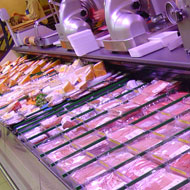
Health organisations have listed the top 10 most concerning food-borne parasites.
A food health committee is working to develop new guidelines for parasite control after it was revealed pork tapeworm, or Taenia solium, is the most concerning global food-borne parasite.
A list of the top 10 most concerning food-borne parasites has been released by the Food and Agriculture Organisation (FAO) and World Health Organisation (WHO).
The parasites affect the health of millions of people every year, resulting in huge social costs and global impacts, yet FAO says information is generally lacking on where they come from, how they live in the human body and how they cause illness.
The top 10 are:
- Taenia solium (pork tapeworm): In pork
- Echinococcus granulosus (hydatid worm or dog tapeworm): In fresh produce
- Echinococcus multilocularis (a type of tapeworm): In fresh produce
- Toxoplasma gondii (protozoa): In meat from small ruminants, pork, beef, game meat (red meat and organs)
- Cryptosporidium spp.(protozoa): In fresh produce, fruit juice, milk
- Entamoeba histolytica (protozoa): In fresh produce
- Trichinella spiralis (pork worm): In pork
- Opisthorchiidae (family of flatworms): In freshwater fish
- Ascaris spp. (small intestinal roundworms): In fresh produce
- Trypanosoma cruzi (protozoa): In fruit juices
The top 10 rankings are based on the burden placed on human health by the parasites, and other factors.
The list was created at the request of global food standards body, the Codex Alimentarius Commission (Codex). FAO and WHO were asked to review current knowledge on parasites in food, as well as public health and trade implications.
A global call for information led to responses from 22 nations and one regional body, followed by an analysis by 21 experts of the impacts of food-borne parasites.
The Codex Committee of Food Hygiene are now producing new guidelines for the control of these parasites, with scientific and technical information supplied by WHO.
It aims to create new standards for the global food trade to help countries control these parasites in the food chain.
A joint report by the FAO and WHO lists a number of ways to reduce parasite infection, such as monitoring the use of organic fertilisers in farming, particularly on produce, to ensure it is composted properly and all fecal matter is removed. The report also advises close monitoring of water quality, and, for consumers, all meat should be well cooked, with only clean water used to wash and prepare vegetables.

 The BSAVA has opened submissions for the BSAVA Clinical Research Abstracts 2026.



