


"The work of the group forms a vital part of our continual push” — Lizzie Lockett, RCVS CEO.
The RCVS is calling on veterinary professionals to help recruit new members to its public advisory panel.
Launched in 2023, the Public Advisory Group (PAG) brings together animal owners and keepers to inform and guide the RCVS in its role as a regulatory body for veterinary professionals.
New recruits will join a pool of 30 individuals, from which smaller groups will be drawn to support particular tasks. These tasks may include helping the RCVS understand emerging issues, piloting surveys and consultations, and acting as a sounding board for campaigns and messaging.
RCVS CEO, Lizzie Lockett, said: "Since its inception, our Public Advisory Group has provided us with valuable insight into animal owner and keeper opinion and experience, helping us ensure that the veterinary professions continue to meet the needs of clients and animals alike, both now and in the future.
"The work of the group forms a vital part of our continual push to improve how we work with - and communicate to - those who use veterinary services. It has been particularly useful to us during our work to respond to the Competition and Markets Authority investigation. We are particularly looking to increase the number of those involved in caring for camelids, cattle, and exotics to ensure we have proportionate representation across all animal owning groups.
"As veterinary professionals who work with the animal owning public every day, we would be grateful if you could share this important opportunity within your networks."
Current PAG member, Karren Morgan-Pinn, added: "As someone who listens to public concerns over veterinary care daily, joining the PAG has given me the opportunity to voice those opinions and concerns from lesser-known sectors.
"It has been refreshing to have insight into and be involved with regulatory processes that the general public are rarely consulted on. The RCVS’ passion for veterinary care and welfare is evident by them ensuring communication gaps are bridged by funding these panels."
More information about the PAG, including how to apply, is available on the PAG Animal Owner’s webpage. Applications close at 5pm on Friday 27 February 2026.
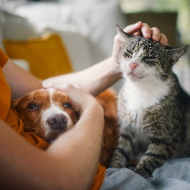
Image (C) Jaromir Chalabala/Shutterstock.


 Companies marketing medicines for small pets exempt from authorisation must submit their annual return to the Veterinary Medicines Directorate (VMD) by 30 November 2026.



