


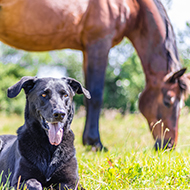
Expert explains how a new programme aims to bridge critical data gaps.
The Veterinary Medicines Directorate (VMD) has launched a new blog series to raise awareness of its work to improve animal welfare.
Designed to complement its regulatory guidance pages, ‘VMD Voices: Our Experts Explain’ shares insights into the VMD’s non-regulatory work, international regulatory support, and best practice for vets and retailers, illustrated through real-life examples.
In the first post, Dr Tamsin Dewé, head of antimicrobial resistance (AMR) Surveillance and Evidence at the VMD, outlines how the organisation is working to strengthen AMR surveillance in pets and horses.
Dr Dewé explores why it’s important to understand antimicrobial resistance in these animals, and highlights new initiatives to address current gaps in surveillance. This includes the world’s first pilot project to develop a national AMR surveillance programme for health cats and dogs.
Led by Scotland’s Rural College (SRUC), the programme aims to establish a baseline level of AMR in healthy pets and identify the best surveillance methods.
Dr Dewé’s writes: ‘Researchers at SRUC will collect faecal samples from dogs and cats in a range of settings: households, veterinary practices and rescue centres. Using established microbiological techniques, the team will detect resistant bacteria and explore complimentary approaches such as national pet surveys and expert consultations.’
‘VMD Voices: Our Experts Explain’ will also examine how the VMD works to protect vets from unsafe or illegal activity, alongside insights into what it’s like to work at the VMD.
Image (C) Wirestock Creators/Shutterstock.com


 Companies marketing medicines for small pets exempt from authorisation must submit their annual return to the Veterinary Medicines Directorate (VMD) by 30 November 2026.



