


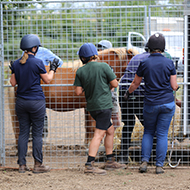
Multiple equine charities led the 15-month operation.
A major vet-led operation to rescue several herds of unhandled Icelandic horses has taken place across Devon.
Multiple equine charities, including the RSPCA, led the 15-month operation to protect 70 rare breed horses and foals in the region.
It followed concerns raised by the public in May 2024 about horses with life-threatening injuries and high worm burdens, especially among young horses. There were also concerns raise about unmanaged breeding, with pregnant mares living alongside fighting colts and stallions.
Working with the RSPCA, the Mare and Foal Sanctuary and World Horse Welfare were able to encourage the owners to cooperate and hand the horses into their care.
The operation was supported by The Donkey Sanctuary and Redwings Horse Sanctuary, who provided additional transport, equipment and expertise. Blue Cross also offered to help re-home some of the horses.
Leah Brock, senior field officer at The Mare and Foal Sanctuary described the operation as a true achievement of collective effort. “I am deeply relieved that all horses involved in this case have now been safely removed” she said. “It has been truly humbling to witness the way each charity stepped forward without hesitation, offering their time, resources, and expertise to ensure these equines received the care they needed.
“The commitment shown to alleviating potential suffering has been nothing short of inspiring. This operation demanded significant manpower and perseverance, often in challenging weather conditions. I am incredibly proud of the role we’ve played in bringing this case to a positive conclusion.”
World Horse Welfare’s deputy chief field officer Jon Phipps said: “I’m delighted that by working together in this way, we’ve managed to safeguard the future of these lovely horses. We had major concerns for their welfare, and without rapid intervention, an already unstable situation was in danger of spiralling totally out of control.
“World Horse Welfare have taken in a large number of the horses across two of our rescue and rehoming centres and the teams have been very impressed by the way they have taken to the rehabilitation process on our farms. The resilience, friendliness, and quick learning they’re already demonstrating, having arrived pretty much unhandled, is a real tribute to the Icelandic breed.”
Image (C) World Horse Welfare.


 Companies marketing medicines for small pets exempt from authorisation must submit their annual return to the Veterinary Medicines Directorate (VMD) by 30 November 2026.



