


Defra warns of increased avian influenza risk
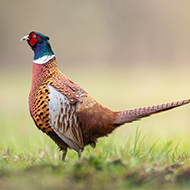
“Strong biosecurity remains our best defence, and we urge all keepers to take immediate steps to strengthen their measures" - Christine Middlemiss, CVO.
Bird keepers in the UK are being urged to strengthen their biosecurity measures following a rise in avian influenza outbreaks, particularly in coastal counties along migration routes.
The warning from Defra applies to all bird keepers, including commercial poultry keepers and game bird rearers. It comes amid a surge of cases of highly pathogenic avian influenza (HPAI), prompting the government to update the Avian Influenza Prevention Zone (AIPZ) in England.
It includes additional biosecurity measures to reflect the specific disease risks associated with the game bird and shooting sector at this time of year, and is intended to protect wild and captive bird populations.
UK chief veterinary officer, Christine Middlemiss, said: “We are seeing increasing outbreaks of avian influenza, particularly in coastal counties. Gamebird operations, alongside all other poultry keepers, must take action now to protect their birds and limit the risk of further outbreaks.
“Strong biosecurity remains our best defence, and we urge all keepers to take immediate steps to strengthen their measures. We will continue to monitor the situation closely.”
The updated AIPZ measures include:
- Disinfecting any vehicles upon first entry to the site and each day they are in use
- Providing one feeding station per 60 released game birds
- Cleaning feeding and watering stations daily to remove faecal matter, feathers and spilled feed
- Covering feeding and, where possible, watering stations to avoid contamination from wild bird droppings
- Placed pheasants in release pens should not be fed within 50 metres of a water body frequented by ducks and other wildfowl
- Placed game birds in release pens should not be fed within 500 metres of any poultry or other kept birds
- During the open season, checking placed game birds in release pens daily for signs of avian influenza
- Conducting a daily search of the area within and up to a 50 metre radius surrounding the perimeter of release pens for carcases of dead game birds and dead wild birds
- Reporting dead wild birds to Defra using the dead wild bird reporting tool and disposing of carcases appropriately
- Keeping detailed records of all visitors to the site (including deliveries and collections).
All bird keepers are urged to remain vigilant for signs of disease, maintain high standards of hygiene and separation, and report any suspected cases immediately to the APHA.
Image (C) Shutterstock.


 Companies marketing medicines for small pets exempt from authorisation must submit their annual return to the Veterinary Medicines Directorate (VMD) by 30 November 2026.



