


Assembly approves to progress a ban on mutilation.
A bill to increase animal welfare protections for pets in Northern Ireland has taken a significant step forward.
On Tuesday, 1 July, The Northern Ireland Assembly approved a Legislative Consent Motion, which will enable the UK’s Animal Welfare (Import of Dogs, Cats and Ferrets) Bill to extend to Northern Ireland.
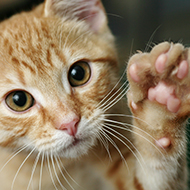
The Bill is currently progressing through Westminster, and will give DAERA the opportunity to introduce new rules restricting the import of dogs and cats that have been subject to mutilation — including de-clawing or ear cropping.
Welcoming the approval, DAERA minister Andrew Muir said: “I am committed to ensuring the highest standards of animal welfare and creating a safe environment for all pets. I welcome this approval by the Assembly which marks a significant step forward in protecting companion animals from cruel and inhumane practices.”
It has be illegal in Northern Ireland to mutilate any animal for cosmetic reasons since 2011. However, it is not against the law to buy a cat or dog from another country where these practices are still allowed.
Minister Muir added: “No animal should be subjected to mutilations for aesthetic reasons. Ear cropping or tail docking are intensely painful procedures, carried out at a young age and deliver no health or welfare benefits.
“Gaining consent today provides my Department with the ability to close any remaining loopholes in our law and it sends a message that these inhumane practices have no place in our society."
Image (C) Shutterstock.


 Companies marketing medicines for small pets exempt from authorisation must submit their annual return to the Veterinary Medicines Directorate (VMD) by 30 November 2026.



