


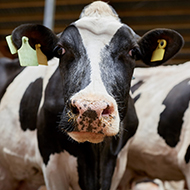
Defra announces changes to cattle identification, registration, and reporting.
All calves must be fitted with electronic identification tags from summer 2027 following new measures announced by Defra.
Under the changes revealed on Monday (2 June) also include a new cattle movement reporting system to simplify existing regulations and support the livestock industry.
It comes as the government announced a £200 million investment into the UK’s research and laboratory testing facilities at Weybridge to boost production against animal disease.
Biosecurity Minister, Baroness Hayman said: "This is a significant milestone in modernising how we manage cattle health, welfare and traceability in England. These reforms strike the right balance in supporting farmers with clearer, simpler rules while helping the sector strengthen its productivity, resilience and global competitiveness."
Under the requirements, all new-born calves from summer 2027 will need to be fitted with low frequency eID tags. The tags will enable animals to be scanned when they are moved, instead of a visual read and manual input of the tag number.
Experts hope that electronic cattle traceability will strengthen the UK’s ability to prevent, detect and respond to animal disease outbreaks, protecting farmers and the rural economy.
UK chief veterinary officer Dr. Christine Middlemiss said: "Electronic identification is a game-changer for disease traceability. It allows for faster, more accurate tracking of cattle movements, which is crucial in responding to outbreaks and maintaining our high biosecurity standards.
“This shift puts England in step with best global practice and today’s early confirmation will provide the livestock industry the clarity it needs to begin preparing now — ensuring that the right tags, readers and systems are available at scale ahead of rollout.”
Image (C) Shutterstock.


 Companies marketing medicines for small pets exempt from authorisation must submit their annual return to the Veterinary Medicines Directorate (VMD) by 30 November 2026.



