


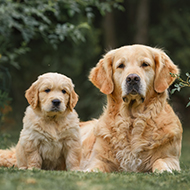
Kennel Club publishes analysis of data from its pedigree records.
The registered pedigree dog population in the UK is on the decline, according to new research, raising concerns about the impacts on the supply of well-bred puppies.
Analysis by the Kennel Club also shows only a small percentage of pedigree dogs are used for breeding. While selective breeding helps potential owners make informed decisions about a dog’s temperament and care needs, it also reduces genetic diversity, and could pose challenges to sustainability.
Published in the journal Companion Animal Health and Genetics, the research is intended to address the growing issue of supplying healthy, well-bred puppies in the UK.
Dr Joanna Ilska, genetics and research manager at The Kennel Club and author of the paper, commented: “The right tools need to be used to balance both selection for health and genetic diversity – especially where population sizes are low – and the smaller the gene pool gets the more challenging it will be to balance responsible breeding choices with keeping a sustainable population, unless the situation is managed carefully.
“This is the next vital step on that journey, which give breeds a fuller picture to inform future action, supported by evidence. There are a range of solutions; our aim now is to work with breeders and those committed to safeguarding the breeds they love, as there is no one size fits all answer.”
The research paper was developed based on a 30-year review of over 11 million dog registrations from The Kennel Club’s pedigree database, carried out as part of the organisation’s commitment to safeguarding the future of pedigree dogs. It is the first in a series of scientific articles, looking at trends in population sizes, the percentage of dogs used in breeding and their characteristics.
Charlotte McNamara, head of health at The Kennel Club, said: “Pedigree dogs have many advantages because we know their ancestry and we can better predict the way that they will turn out. This helps us to know how big they will grow, their exercise needs and predict the health problems they might face, and which DNA tests or assessments breeders should make use of before breeding from their dogs.
“But it also means that they are more similar to each other genetically, and so we have to consider how breed populations are monitored and managed, as the lower the genetic diversity the greater the risk that new health conditions will begin to surface. This is true across all dogs bred selectively over generations, including the now popular ‘designer crossbreeds’, which have also been selectively bred for specific traits across a number of generations.
“We hope this new research, which has been conducted on a huge scale, will help to address the wider issue of the supply of well-bred, healthy puppies in the UK.”
Image (C) Shutterstock.


 Companies marketing medicines for small pets exempt from authorisation must submit their annual return to the Veterinary Medicines Directorate (VMD) by 30 November 2026.



