


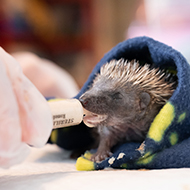
The online resource includes practical advice on how to perform clinical examinations.
A new online resource to help vets and veterinary nurses provide care for British wildlife presented to them by the public has been launched by the RSPCA.
Bringing together essential information and evidence in on place, the RSPCA's Wildlife Toolkit has been designed by the charity's veterinary team with support from BSAVA, BVA Journals, BVZS and an array of wildlife groups and charities.
Justine Shotton, former BVA president and head vet for wildlife and exotics at the RSPCA, said: “Vet practices do an amazing job caring for sick and injured wild animals brought in by members of the public and rehabilitators, providing appropriate first aid, pain relief and euthanasia under the RCVS Code.
“It can be daunting for those who don't see wildlife frequently, so we've put together this toolkit to help vets and vet nurses to help maximise the welfare for these species.”
The Toolkit includes practical advice on how to perform clinical examinations, information about common conditions seen in wildlife species and other areas that may be lesser-known to veterinary practitioners, such as wildlife legislation.
Users can navigate the resource by species and area, such as triage, legislation and pharmaceuticals, and it will be updated by the RSPCA as new research and protocols are developed. Furthermore, the toolkit includes sensitive information regarding euthanasia and suitability for release, along with informative films put together by the RSPCA's expert teams and their partners.
Justine added: “All of the content of the toolkit can count towards vet and vet nurse CPD; including reading the articles, watching the presentations or completing the interactive training online training course, Wildlife Rehab - the First 24 hours. I’d encourage all vet professionals to take a look at the site, and to add the toolkit to their bookmarks for future reference.”
Image © Shutterstock


 Companies marketing medicines for small pets exempt from authorisation must submit their annual return to the Veterinary Medicines Directorate (VMD) by 30 November 2026.



