


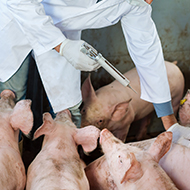
The sector aims to break the cycle that drives antibiotic use.
Following a rise in antibiotic usage in 2024, the next round of pig sector antibiotics are being developed with a biosecurity focus.
Proposals for the Target Task Force (TTF3) are being created by the Pig Health and Welfare Council’s Antimicrobial Usage Subgroup.
The proposals will be advanced by Yorkshire producer and former NPA chair, Richard Lister, representing producers, and Dr Alex Thomsett, from the George Pig Practice, on behalf of the Pig Veterinary Society (PVS).
Similar to Ruma’s Target Task Force (TTF2) for antibiotic stewardship in farming, the new targets will contain numerical and non-numerical objectives. These objectives will be presented at the NPA spring regional meetings and the PVS spring meeting to gather feedback.
Richard Lister said: “All sectors have been encouraged to show ambition in their objectives, and this will be particularly reflected in our numerical target.”
The 2024 eMB pig sector antibiotic usage data is not expect to be finalised until late spring. However, it is expected to surpass the TTF3 target, and follows an 18 per cent rise in pig sector antibiotic usage to 85 mg/PCU in 2023.
This rise has been linked to a range of health challenges, including swine dysentery, post-weaning diarrhoea or oedema disease, following the phasing out of zinc oxide.
“To address this, it is likely that one of the non-numerical targets will focus on biosecurity, so the sector can break the cycle of infection that drives antibiotic use,” said Alex.
“While some respiratory diseases, including porcine reproductive and respiratory syndrome [PRRS], can be acquired through aerosol transmission from neighbouring farms, many others, including swine dysentery, are more likely to enter a unit through a contaminated vehicle or other fomites.
“Addressing bio-exclusion on UK farms would prevent this cycle of disease spread and resultant antimicrobial use.”
Image (C) Shutterstock.


 Veterinary practices are being urged to help owners safely dispose of any unused and expired pet medicines - not just antibiotics - during November's Animal Medicines Amnesty.



