


BVA urges cross-party collaboration on animal welfare
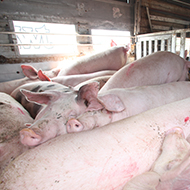
"We are urging the Government to deliver on its commitment to animal health and welfare by ensuring its continuation through Parliament" - BVA president, Malcolm Morley.
The British Veterinary Association (BVA) has called for cross-party support to pressure the government into honouring its commitment to delivering the Animal Welfare (Kept Animals) Bill.
In a speech to MPs and peers in the Houses of Parliament on Wednesday (2 November), BVA president Malcolm Morley spoke about the potential impact of the Bill in addressing some of the most ‘crucial’ welfare issues raised by the veterinary profession.
He said: “This vital Bill will address some of the most pressing animal health and welfare issues of our times, and we are urging the Government to deliver on its commitment to animal health and welfare by ensuring its continuation through Parliament.
“BVA has campaigned for many years on some of the issues included in this Bill, and it is essential, as it continues through Parliament, that it retains vital measures, such as those designed to tackle puppy smuggling, prohibit the import of dogs with cropped ears, review zoo standards, impose a ban on keeping primates as pets and introduce mandatory, reliable pre-import testing for dogs with unknown health statuses.”
Mr Morley also used his speech to talk about the potential shortage of animal medicines facing the profession in Northern Ireland resulting from post-Brexit regulation.
Under proposed new legislation, medicines entering Northern Ireland will need to be batch tested by a marketing authorisation holder based in the country or the EU. The grace period expires at the end of the year, and BVA fears that around half of all veterinary medicines could be discontinued should the deadline pass without a workable solution.
He said: “The UK government and EU must not let this deadline lapse without a workable solution in place. It is not just an animal health issue but a public health issue, particularly if salmonella vaccines become unavailable to poultry vets. Such public health risks would also jeopardise access to markets outside Northern Ireland.”
Mr Morley urged MPs to continue supporting BVA’s campaign for improved welfare at slaughter, including calls for clear and relevant labelling of products by slaughter method. He also asked them to back BVA in pushing forward the plans by the RCVS to reform the current veterinary legislation, adding:
“This is a once-in-a-generation opportunity to secure new primary legislation which will modernise the regulatory framework for the veterinary professions, ensuring it is fit for purpose. Changes such as these will create a modern and effective system, which will better protect animal health and welfare and retain good vets in the profession, at a time when the veterinary workforce is under significant strain.”
He concluded his speech by thanking MPs for their continued cross-party support for animal welfare issues and urged them to engage with their local veterinary practices.


 Companies marketing medicines for small pets exempt from authorisation must submit their annual return to the Veterinary Medicines Directorate (VMD) by 30 November 2026.



