


Vets welcome approval of lay TB testers in Wales
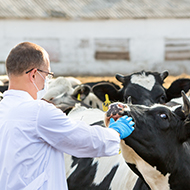
Under the scheme, any lay TB tester authorised by the APHA will be permitted to work in England and Wales.
Vets have welcomed the news that lay bovine TB testers can work in private veterinary practices in Wales, following a decision to grow
the capacity of Approved Tuberculin Testers (ATTs) in England.
The decision, which takes effect this month (October), has received the approval of the Welsh Government and comes after a successful trial led by the Animal and Plant Health Agency (APHA).
Under the scheme, any lay TB tester authorised by the APHA will, from 1 October, receive authorisation to work in England and Wales. Existing testers will also be permitted to work in Wales, subject to additional training.
Collin Wilson, BVA Welsh Branch president, said: “This is good news. The veterinary workforce in Wales has been universally stretched, including farm animal practices, and so the expansion of tuberculin skin testing capacity is a much-needed resource.
“In the British Veterinary Association’s joint response with BCVA to the Defra consultation on this issue in 2018, we acknowledged the useful role appropriately trained and regulated lay TB testers could play as part of a veterinary-led team. We are reassured to see the new provisions lay down a requirement for all paraprofessionals to work within a vet-led team and meet strict veterinary supervision requirements.”
The BVA said it is now working with the Welsh Government and other stakeholders to roll out the scheme.


 Veterinary practices are being urged to help owners safely dispose of any unused and expired pet medicines - not just antibiotics - during November's Animal Medicines Amnesty.



