


Welsh government confirms sixth avian flu case
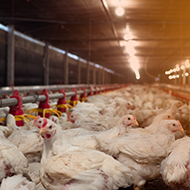
Protection and surveillance zones have been placed around the premises near Arthog.
The Welsh government has confirmed a sixth case of Highly Pathogenic Avian Flu H5N1 in 12 months.
Confirmed at a premises near Arthog in Gwynedd, a 3km Protection Zone and a 10km Surveillance Zone have been declared around the premises to limit the potential spread of the disease.
Dr Gavin Watkins, deputy chief veterinary officer for Wales said of the rise in cases: “This sixth case of avian influenza in Wales in the last 12 months is cause for concern and evidence of the continuing risk that is out there to our birds.
“There has been an unprecedented incursion of avian influenza into Great Britain and Europe in 2022 and keepers of birds must be vigilant and ensure they have the very highest levels of biosecurity in place.
“There is always more that can be done to protect your birds.”
The government is encouraging all bird keepers to be vigilant of signs of disease in their flock, and to consult a veterinary surgeon in the first instance if their birds are unwell.
Dr Watkins continued: “As we move into the Autumn and Winter, I urge you all to review the measures you have in place and identify areas of improvement.
“Think about risks from direct contact with wild birds, especially waterfowl, and also the things that could be contaminated by bird droppings – clothing and footwear, equipment, vehicles, feed and bedding.
“Make improvements where you can to prevent further spread of this devastating bird disease.”


 Companies marketing medicines for small pets exempt from authorisation must submit their annual return to the Veterinary Medicines Directorate (VMD) by 30 November 2026.



