


Charities join forces to support pets and people
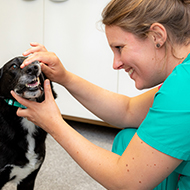
“This is a powerful partnership which helps both people and animals at a time when our services are needed more than ever" - Chris Sherwood, RSPCA.
Veterinary charity PDSA is joining forces with the RSPCA to support struggling owners and their pets.
Through the partnership, the organisations aim to ensure pet owners battling rising costs can access affordable veterinary care. The collaboration also aims for the PDSA to become a primary critical care provider to some of the 60,000 animals rescued by the RSPCA every year.
It comes after a decision by the RSPCA to concentrate its veterinary services on supporting its frontline officers and treating more animal victims of cruelty and neglect. The charity will therefore cease providing subsidised veterinary treatment to the public.
PDSA has pledged support to all pet owners registered at the RSPCA’s pet hospitals and clinics in Manchester, Birmingham, London and Merthyr Tydfil, or providing alternative help through a £1 million treatment fund from both charities.
“This opportunity marks an exciting new chapter for both the RSPCA and PDSA,” commented PDSA director of services, Richard Hooker. “We’ve taken the decision to offer our support to pets and their owners who were being given subsided care by the RSPCA.
“This collaboration moves us closer towards our vision of a society in which no pet is denied veterinary care because their owner can’t afford it. It also underlines our belief that everyone, no matter their circumstances, has the right to experience the unconditional love and companionship of a pet.”
The collaboration will see PDSA invest significantly in the upgrading and refurbishment of the RSPCA’s Finsbury Park site and Manchester Pet Wellbeing Centre. Doing so will enable the PDSA to reach and help even more pet owners struggling to access care for their animals.
“This is a powerful partnership which helps both people and animals at a time when our services are needed more than ever due to the cost of living crisis,” commented RSPCA chief executive, Chris Sherwood.
“We are already seeing the devastating impact of the crisis with reports of abandoned animals up by almost a quarter, many of which involve animals with complex health issues which will need specialist vet care before we can find them loving new homes.”
He added: “By working together with PDSA we can both focus on our strengths, our core charitable objectives, and ours is rescuing the thousands of animals most in need, those who have no one else".


 Companies marketing medicines for small pets exempt from authorisation must submit their annual return to the Veterinary Medicines Directorate (VMD) by 30 November 2026.



