


AIPZ declared in south-west region
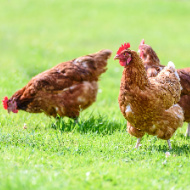
The disease was confirmed at nine premises across the south-west region since last month. Several cases were also found in wild seabirds.
An Avian Influenza Prevention Zone (AIPZ) has been declared across Devon, Cornwall and parts of Somerset, following a large number of detections of avian influenza in poulty, wild and captive birds in the area.
From midday on Wednesday 31 August, it will be a legal requirement for all bird keepers in Devon, Cornwall (including the Isles of Scilly) and parts of Somerset to follow strict biosecurity measures, regardless of flock size.
UK Deputy Chief Veterinary Officer Richard Irvine said: “Following a number of detections of avian influenza we have declared an Avian Influenza Prevention Zone across Cornwall, Devon and parts of Somerset. This means that all bird keepers in the region must take action now to both prevent disease getting in to flocks and it spreading any further.
“Whether you keep just a few birds or thousands, you are now legally required to introduce higher biosecurity standards on your farm or small holding. It is in your interests to do so in order to protect your birds from this highly infectious disease.”
The introduction of the AIPZ means that all bird keepers in the region must:
• cleanse and disinfect clothing, footwear, equipment and vehicles before and after contact with poultry and captive birds – if practical, use disposable protective clothing
• reduce the movement of people, vehicles or equipment to and from areas where poultry and captive birds are kept, to minimise contamination from manure, slurry and other products, and use effective vermin control
• thoroughly cleanse and disinfect housing on a continuous basis
• keep fresh disinfectant at the right concentration at all farm and poultry housing entry and exit points
• minimise direct and indirect contact between poultry and captive birds and wild birds, including making sure all feed and water is not accessible to wild birds
• prevent access by poultry to ponds and watercourses and ensure that birds are kept in fenced or enclosed areas.
Defra has announced that the AIPZ will be in place until further notice, and will be kept under regular review.
Further information can be found here.


 Companies marketing medicines for small pets exempt from authorisation must submit their annual return to the Veterinary Medicines Directorate (VMD) by 30 November 2026.



