


Free cat care guides for Ukrainian refugees
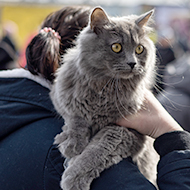
We hope the leaflets will be a valuable resource for those settling in the UK" - Alison Richards, Cats Protection.
Cats Protection has announced a free series of essential cat care guides for Ukrainian refugees.
The guides have been produced in collaboration with veterinary surgeon and bestselling author Bruce Fogle MBE and can be downloaded from the Cats Protection website. Available in English and Ukrainian, they include:
- caring for your indoor cat
- cat behaviour problems
- introducing cats to others.
He added: “Cats Protection has been brilliant. Within a day of asking them for help, information in Ukrainian and English on caring for cats stressed by travel, quarantine, new people and new homes, was promised and work was underway. We felt providing a dual translation of the materials was the best way for us to a) help host families understand caring for new cat guests and b) to welcome refugee families by saying we understand what you’re going through, and we’re here to make you feel welcomed and safe.”
Cats Protection hopes the leaflets will be a valuable resource for those settling in the UK, and that all UK vets working with Ukrainian families will also be able to access a copy of the leaflets to share.
Alison Richards, Cats Protection’s head of clinical services, said: “Just like their owners, these cats have been through an unimaginable and horrifying experience. Their whole lives have been uprooted and they now find themselves thousands of miles from home in an unfamiliar setting. Cats are very sensitive animals, and they can find it very hard to adjust to sudden changes.
“We wanted to provide guidance to help reduce any stress that these cats may encounter, such as new environments, family members, pets and changes in their access to outside. We hope the leaflets will be a valuable resource for those settling in the UK and we offer an open door to anyone who needs additional guidance or advice.”


 Companies marketing medicines for small pets exempt from authorisation must submit their annual return to the Veterinary Medicines Directorate (VMD) by 30 November 2026.



