


Defra to lift Avian Influenza Prevention Zone
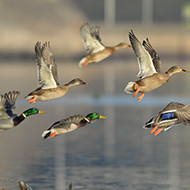
There have been more than 130 cases of avian flu in the UK since October 2021.
The Avian Influenza Prevention Zone (AIPZ) for poultry and captive birds, introduced to help prevent the spread of avian influenza, will be lifted at midday Tuesday, 16 August, the Department for Environment, Food & Rural Affairs (Defra) has confirmed.
Introduced across the UK in November 2021, the AIPZ has played a vital role in protecting flocks against avian influenza, which is circulating in wild birds. The lifting of the restriction comes after Defra reduced the risk of the disease to low for all poultry.
With more than 130 cases across Great Britain since late October 2021, this particular outbreak of avian flu is one of the largest ever to hit the country. Scrupulous biosecurity is currently the most effective control method.
While the risk in kept birds has been reduced, Defra is calling on all bird keepers to follow enhanced measures at all times to prevent future outbreaks. The threat to human health from the virus and the food safety risk to consumers remains very low.
The UK's chief veterinary officer, Christine Middlemiss, said: “Now we are in the summer months and experiencing higher temperatures, the risk to poultry has now been reduced across Great Britain and so the time is right to lift the Avian Influenza Prevention Zone.
“This would not have been possible without the hard work of all bird keepers, who have upheld high biosecurity standards for many months. However, there are still localised areas of risk as we have seen recently, and therefore it’s vital that everyone keeps biosecurity and cleanliness at the forefront of their minds to keep their flocks safe.”
Poultry gatherings remain banned owing to a large number of flocks mixing and the risk posed by any infections speasing across the country.


 Companies marketing medicines for small pets exempt from authorisation must submit their annual return to the Veterinary Medicines Directorate (VMD) by 30 November 2026.



