


Prospective owners urged to 'stop and think' before buying breed.
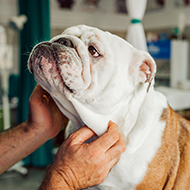
English bulldogs are twice as likely to develop health complications in a single year when compared to other dogs, according to a study led by the Royal Veterinary College (RVC).
The study, published in Canine Medicine and Genetics, compared the health of more than 2,000 English Bulldogs with other dog breeds.
Researchers found that British bulldogs are 38 times more likely to develop skin fold dermatitis, 27 times more likely to become infected with cherry eye, and 19 times more likely to get brachycephalic obstructive airway syndrome.
In light of their findings, researchers are calling on prospective owners to 'stop and think' before buying an English bulldog.
Study lead Dr Dan O’Neill, an associate professor in companion animal epidemiology at the RVC said: “Every dog deserves to be born with equal and good innate health by having a natural ability to breathe freely, blink fully, exercise easily, have healthy flat skin, mate and give birth.
"For breeds such as English Bulldogs where many dogs still have extreme conformations with poor innate health, the public have a huge role to play by demanding dogs with moderate and healthier conformations. Until then, prospective owners should ‘stop and think before buying a flat-faced dog’.”
Researchers are also calling on people who already own an English bulldog to monitor them carefully for breed-related health issues, such as eye problems, difficulty breathing and skin fold infections, and to seek veterinary advice early if worried.
Dr Alison Skipper, co-author and veterinary historian, said: "This new research provides strong evidence that modern Bulldogs remain troubled by many diseases linked to their body shapes, most of which have been recognised for more than a century. It confirms the need to follow the example of more responsible breeders who prioritise health in breeding decisions to improve the welfare of this popular and iconic breed in the future.”
Vicky Collins-Nattress, Bulldog Breed Council health coordinator, added: “We are fully committed to improving and protecting Bulldog health, so any new data which informs this is valuable.
“The Bulldog Breed Council Health Scheme is to encourage breeders to carry out the relevant breed-specific health tests including the University of Cambridge/Kennel Club Respiratory Function Grading Scheme; we are working with The Kennel Club on various health initiatives; and are involved in the Brachycephalic Working Group.


 Companies marketing medicines for small pets exempt from authorisation must submit their annual return to the Veterinary Medicines Directorate (VMD) by 30 November 2026.



