


Survey launched to better understand Schmallenberg virus
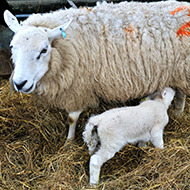
Schmallenberg virus is spread by biting midges, leading to lamb deformities at birth.
A survey has been launched to better understand the impact of Schmallenberg virus on lambs, which is currently on the rise in the UK.
Schmallenberg virus is a relatively new disease in the country, having been first identified in 2012-2013. The virus is spread by biting midges, leading to lamb deformities at birth.
Through the survey, which has been sent to participating farms, placement vet students are being asked to identify the prevalence of lambs with deformities to help researchers understand why infections are increasing.
The study is being led by the Ruminant Health and Welfare (RH&W) group in collaboration with a number of UK vet colleges.
RH&W has also been working with its members, including the National Sheep Association (NSA), Sheep Veterinary Society (SVS) and the Agriculture and Horticulture Development Board (AHDB) to identify whether SBV impacts lambing in 2022.
Nigel Miller, RH&W chair, said: “As studies reveal that UK flocks are predicted to be entering a phase of increased risk, we’re grateful for the support from host farms to help us work with a new generation of vet students during their lambing placements.
"We are asking them to capture data on deformities seen in lambs over the lambing period which will provide evidence for the spread of SBV, and will offer a key insight of the national picture on SBV at a county level.”
Results from the survey will be used to produce a report and will be shared with vet students, host farms and the winder industry later this year.
Mr Miller added: “We believe that the knowledge from the survey can increase understanding of both the epidemiology and potential management of this virus.”
The survey will remain open until 16 May 2022.


 Veterinary practices are being urged to help owners safely dispose of any unused and expired pet medicines - not just antibiotics - during November's Animal Medicines Amnesty.



