


Vets collaborate to supply essential medicines to Ukraine
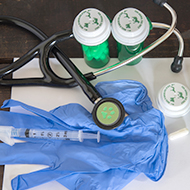
The group is appealing for supplies to help treat a range of animals, including domestic pets, pigs and zoo animals.
Members of the UK veterinary community have joined forces to help deliver essential veterinary medicines to Ukraine.
The newly-formed British Veterinary Professionals for Ukraine (BVP4UA) aims to provide direct supplies for human and veterinary medics working on the front line.
In its latest update, the group said the path is now clear to send aid to Ukraine and that it is establishing contacts with vet surgeons and logistic chains to get the medicines to where they are most needed.
Malcolm Morley, group member and junior vice president of the British Veterinary Association, said: “BVP4UA have worked tirelessly over the last few weeks, and what they have already achieved is astounding. It has been incredible to see this level of cooperation and collaboration across the veterinary profession in support of the people and animals of Ukraine.
“Now that we can provide more direct veterinary support, I fully expect the British people to rise to the challenge of helping veterinary surgeons who are dealing with the fall-out of this horrific conflict.”
With supply chains disrupted or destroyed, BVP4UA is appealing for supplies to help treat a range of animals, including domestic pets, pigs and zoo animals.
Group member David Rendle, president-elect of the British Equine Veterinary Association, said: “Animals have not been spared from the horrific death and destruction in Ukraine and external support is needed urgently to limit their suffering.
"In addition to the pets that require treatment within and around Ukraine, there is a desperate need for help in Ukraine’s zoos, rescue centres and farms.”
Individuals and organisations wishing to support the initiative can send supplies to BVP4UA c/o Hoermann Equine, Wrights Lodge East, Oakham Road, Whissendine, Rutland, LE15 7HA. A list of specific requirements is available on the BVP4UA Facebook page.
Veterinary practices can also buy supplies through their regular wholesalers (MWI/Covetrus/NVS) and have them delivered directly to BVP4UA by emailing their wholesalers with details of what they want to donate.
Cash donations can be made via gofundme to allow direct purchasing of the most needed veterinary supplies.


 Companies marketing medicines for small pets exempt from authorisation must submit their annual return to the Veterinary Medicines Directorate (VMD) by 30 November 2026.



