


Celebrating neurodiversity in the vet professions
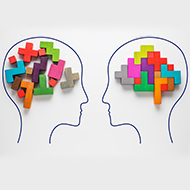
Neurodiversity is the idea that people experience and interact with the world around them in a way that is different from others.
The RCVS Mind Matters Initiative (MMI) has introduced a range of initiatives and events to mark Neurodiversity Celebration Week (21-27 March).
Affecting more than one million people in the UK, neurodiversity is the idea that people experience and interact with the world around them in a way that is different from others. Examples of neurodiverse conditions include attention deficit hyperactivity disorder (ADHD), autism, dyspraxia and dyslexia.
Throughout the week, the MMI will be sharing information to help members of the veterinary profession better understand these conditions and how they mean individuals learn and think differently from what is considered ‘neurotypical’.
Among the resources include a ‘neurodiversity resource hub’ containing information about the array of different disorders and advice for employers about inclusive working tools and sources of government support.
A new ‘Kite’ has also been added to the popular MMI Kite App, with six modules covering topics such as: ‘what is neurodiversity’, ‘the importance of talking about neurodiversity’ and ‘how neurodivergence can lead to innovation through thinking differently’.
Other initiatives to be introduced include a blog post on research exploring the various workplace stressors that affect autistic veterinary professionals and a discussion session on neurodiversity at BSAVA Congress on Saturday (26 March).
Lisa Quigley, Mind Matters manager, said: “We know that different brains function differently and that this isn’t wrong or problematic, but represents the many different ways of understanding, thinking and learning that we all encounter in work and in life.
"There is huge strength to be found in diversity of thinking, however, we know that neurodivergent individuals may sometimes face challenges, and so it is vital to ensure that all individuals working in the veterinary professions feel supported to be who they are in order to thrive in the workplace."
She added: “We hope that our neurodiversity resource hub and our other initiatives during Neurodiversity Celebration Week will be useful sources of information for everyone and will aid people in understanding neurodivergence, how it can manifest and how it can be supported in the workplace and educational settings.”


 Companies marketing medicines for small pets exempt from authorisation must submit their annual return to the Veterinary Medicines Directorate (VMD) by 30 November 2026.



