


Views sought on new food labelling system
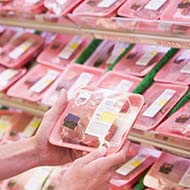
Defra has launched a Call for Evidence to collect views on a new food labelling system.
The UK Government is preparing to introduce a new food labelling system to help consumers better identify and support high animal welfare standards.
The Department for Environment, Food and Rural Affairs (DEFRA) said that new labels would give consumers better information and help them make more informed choices about the food they eat.
The Department has launched a Call for Evidence seeking public opinion on the potential scope, regulation, format, and enforcement of a new labelling scheme, as well as the animal welfare standards that might underpin it.
Announcing the move, environment secretary George Eustice said: “British farmers produce food to an exceptionally high standard of animal welfare, and consumers have come to expect nothing less.
“Now that we have left the EU, we have an opportunity to look at food labelling – and whether the information that we give to shoppers helps them make informed choices.
This call for evidence is a first step in ensuring that we fully meet consumers’ needs, and fly the flag for the high standards for which our farmers are renowned.”
The BVA has long campaigned for clear animal welfare labels on UK food items and believes it could encourage consumers to buy from British producers.
In 2020, the Organisation published a comprehensive policy outlining 67 recommendations to improve the welfare of animals at slaughter. Among them include the clear labelling of meat from animals that have not been stunned before slaughter, with the information readily available to those who want it.
BVA senior vice president Simon Doherty said: “With millions of animals slaughtered each year to provide us with the food we eat, we have a responsibility to provide them with a life worth living and a humane death.
“Our updated position aims to do just that by building on existing legislation and guiding the industry in a direction that better protects the welfare of animals destined for the food chain."
The consultation, entitled ‘Labelling for animal welfare: call for evidence’ will remain open for 12 weeks, closing at 9:30 am on 6 December 2021.


 Companies marketing medicines for small pets exempt from authorisation must submit their annual return to the Veterinary Medicines Directorate (VMD) by 30 November 2026.



