


BVA responds to new animal transport measures
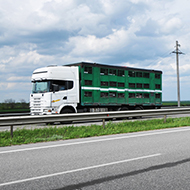
"It’s vital that the Government engages meaningfully with the veterinary profession and industry colleagues as they develop these proposals" - BVA president, James Russell.
BVA president James Russell has responded to new measures announced by the Government on Wednesday (18 August) to improve the welfare of farm animals during transport.
In a press release, Mr Russell welcomed the commitment to improving conditions but urged Defra to engage meaningfully with the profession to ensure the measures are evidence-based, practical and deliver genuine benefits to animal welfare.
The new rules, whic apply to animals being transported within England and Wales, include:
- shorter maximum journey times for live
animals – between four and 24 hours depending on the species of animal - more headroom for animals during transport
- stricter rules on the transport of animals during extreme hot or cold temperatures.
Previously, BVA called on the Government to put animal welfare at the heart of any changes regarding moving livestock inside and outside the UK. It also recommended that any proposals to improve welfare include welfare issues before, during and after a journey, rather than just the journey time.
Mr Russell said: “We’re pleased to see the Government standing by its pledge to improve conditions during transport for farm animals, as well as a commitment to work with industry to develop proposals further. It’s also positive that they have recognised the need to take a holistic approach.
“It’s vital that the Government engages meaningfully with the veterinary profession and industry colleagues as they develop these proposals to ensure that measures are evidence-based and workable and deliver genuine and decisive welfare benefits for millions of farm animals. We look forward to working closely with our species divisions and Defra as the specifics take shape.”
In addition to more headroom and shorter journey times, the consultation also highlighted several other measures that could help improve animal welfare during transport, including better training for animal transporters and new guidance on an animal’s fitness to travel.
Announcing the new measures, environment secretary George Eustice said: “We are legislating to ban the export of live animals for slaughter and fattening, and are now developing other measures to improve the welfare of animals during transport.
“We have listened to the concerns raised relating to our proposed changes to transport regulations and have made changes to address these. We will continue to work with industry on the remaining details.”


 Companies marketing medicines for small pets exempt from authorisation must submit their annual return to the Veterinary Medicines Directorate (VMD) by 30 November 2026.



