


Vet leads campaign to raise awareness of arthritis
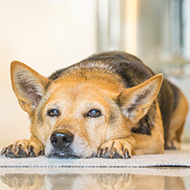
Arthritis is thought to affect 35 per cent of all pet dogs in the UK.
An Essex-based vet is leading a campaign to help dog owners spot the signs of arthritis and learn how to manage the condition before it progresses.
2020 RCVS Impact Award winner Hannah Capon is fronting The Virtual Big Walk 2021 through the organisation she founded, Canine Arthritis Management (CAM). The event is taking place throughout September, and she is calling on dog owners to get involved.
Hannah, who was named the 2019 Ceva Vet of the Year and Vet Personality of the Year 2019, will use the funds raised to spread awareness about arthritis - a disease thought to affect 35 per cent of pet dogs in the UK.
“It [arthritis] really is the silent killer,” commented Hannah. “It’s a leading cause of dog euthanasia; a cruel fate especially because the dog may have been showing signs of problems for a long time and owners just haven’t noticed or been aware that they are witnessing changes in their dog that are related to pain… If we can raise awareness of the signs and encourage people to catch it early, we have more options of how to successfully manage it, which will give the dog a longer life.”
She added: “If it’s caught early, many of the effective management strategies are free, or at least more affordable than the costs associated with complex drug regimes and other means to control pain and maintain mobility. The lives of beloved family animals can be improved and prolonged by simple, effective management of the disease with little cost, with a few simple adaptations to lifestyle, diet, and owner attitude.”
The Big Walk 2021 will celebrate the arthritic dog and take participants to locations like ‘Valley of the Kongs’, ‘Central Bark’ and ‘Bandana Beach’. It will also include a 30 day series of emails taking people on a fictional journey through the eyes of an arthritic dog, with sound bites from experts.
The money raised will go towards a new CAM website that will provide more advice, support and guidance to owners of arthritic dogs. To find out more, visit caninearthritis.co.uk/thebigwalk2021


 Companies marketing medicines for small pets exempt from authorisation must submit their annual return to the Veterinary Medicines Directorate (VMD) by 30 November 2026.



