


More health issues seen by rabbit rescue centres
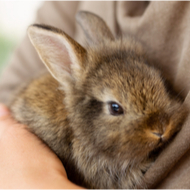
Owners are being urged to 'adopt, don't shop' after increase in rabbits handed in to rescues, often for avoidable health issues.
Rabbit Rescue Residence, a rabbit rescue centre in Hertfordshire, is urging pet owners to adopt rabbits from rescue centres, rather than buying them.
This plea comes after a significant increase in rabbits being signed over to rescues over lockdown, with the shelter says that it has taken in 157 rabbits since the beginning of lockdown, with 98 being taken in just in 2021 alone.
Over the course of lockdown, the rescue says that the increase in rabbits being given up to the shelter has also come with an increase in various avoidable health issues, particularly dental issues. The dental issues that the rescue is seeing are usually down to being fed diets of a bad quality, including not enough hay or inappropriate treats.
Also being seen by the rescue is an increase in rabbits being signed over to their care owing to behavioural issues, commonly including fear or aggression – however, the rescue often finds that these issues are a simple fix, with neutering and correct spatial provisions allowing the rabbits to exhibit natural behaviours.
The rescue says that of the almost 200 recent adoption enquiries, only three had the appropriate size of accommodation and could provide necessary enrichment.
An increase in brachycephalic rabbits being signed over to rescues has also been occurring, suggesting both that the trend of brachycephalic rabbits is increasing, and that people are sometimes unable to accommodate their brachycephalic rabbit once they display signs of health issues.
Owing to the increase in rabbits being signed over to rescues, Rabbit Residence Rescue is urging the public to 'adopt, don't shop' when considering becoming a rabbit owner, and are providing advice on its website for care recommendations.
“It’s exhausting to open emails or answer the phone every day for yet another rabbit, or even whole litters of babies, needing rescue space,” Rabbit Residence manager Lea Facey commented.
“It breaks our heart that we’re going to have to start saying no, we’re full. Other rescues in the area are facing the same problem, and it worries us greatly, where will all these animals end up?”


 Companies marketing medicines for small pets exempt from authorisation must submit their annual return to the Veterinary Medicines Directorate (VMD) by 30 November 2026.



