


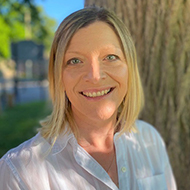
Vetoquinol MD Caitrina Oakes will lead the association for 2021/22
The National Office of Animal Health (NOAH) has elected Caitrina Oakes, managing director of Vetoquinol UK and Ireland, as its new chair.
Commenting on her appointment, Caitrina set out the areas she would be focussing on over the next 12 months, including the consultation and review of the UK Veterinary Medicines Regulation.
“We need a regulatory climate to ensure animal medicines availability, as well as to encourage innovation,” she said.
“We are in the final stages of developing detailed proposals that will set out how we believe this might be achieved and look forward to providing any help we can to ensure our new Regulation enables our members, and the benefits their products and innovation brings, to thrive – and continue to protect the health and welfare of our nation’s animals”.
Caitrina joined the NOAH Board in 2013, the same year she became managing director of Vetoquinol UK and Ireland. Before this, she spent more than 12 years at Hill’s Pet Nutrition in various sales positions, including national sales manager vet channel UK and Ireland. She is also a member of the Membership Working Group and the Trade Sub-Committee.
Speaking after her appointment, Caitrina said another area of focus for NOAH in the next 12 months would be sustainability:
“Healthy animals receiving proper nutrition are better able to digest feed and produce lower levels of emissions, while protecting animals against infection – such as through vaccination – reduces the risk of disease, and the need for antibiotics,” she said.
“The Board will be taking forward sustainability improvements, including a sustainability policy for our association. We are looking to see how NOAH can help lead us collectively and collaboratively to aim even higher”.
Caitrina also highlighted the importance of representation within NOAH, particularly as it moves forward from the pandemic.
“As well as representing around 97 per cent of the animal medicines industry, our current members also already have a diverse product spread, including feed additives and nutraceuticals and an increasing interest in diagnostics and digital technologies,” she said. “This is something we can celebrate and work towards an even broader representation.
"As the future changes fast, catalysed by the pandemic, NOAH will change with the times to serve out modern and changing sector."


 Companies marketing medicines for small pets exempt from authorisation must submit their annual return to the Veterinary Medicines Directorate (VMD) by 30 November 2026.



