


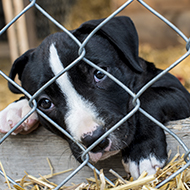
Deceitful sellers could 'exploit confusion around pandemic restrictions' says Kennel Club.
The Kennel Club is warning potential pet owners to be wary of puppy farmers as domestic travel restrictions are relaxed across the UK.
Animal welfare organisations have always encouraged puppy buyers to avoid purchasing a dog if the seller offers to deliver it, as this is often a sign that the seller is attempting to hide the poor conditions that the animal is being kept in.
However, as people across the country were instructed to stay at home during the pandemic, emergency guidance allowed breeders to deliver puppies to their new homes in certain situations.
As travel rules are now easing across Great Britain, the Kennel Club has issued a warning around ongoing deliveries and urges potential buyers to collect their puppy themselves.
Dr Ed Hayes, head of policy and public affairs at The Kennel Club, said: “Following a year of confusing and difficult COVID-19 rules for breeders, rescue organisations and potential new owners – alongside a huge demand for dogs – it’s crucial that the general public is clear on how to responsibly buy a puppy, as restrictions ease.”
“If you’re buying a puppy which you’ve found online, travel restrictions across Great Britain now allow you to follow usual responsible puppy buying advice: Do not agree to have your puppy delivered to you or meet half-way. Ask for more than one virtual viewing to see where puppies have been brought up and the litter interacting with mum. Following relevant Covid guidelines, meet the breeder, puppies and mum outdoors ahead of purchase.”
He continued: “Despite Government’s recent crack-down on third-party sales via Lucy’s Law, puppy farmers can still sell directly to the public online, and we have no doubt that they will exploit confusion around pandemic restrictions and the fact that COVID-19 guidance at one point allowed puppy deliveries.”
The organisation is urging the public to stay up-to-date on COVID-19 guidance within their area and to follow its guidance for puppy buyers.


 Companies marketing medicines for small pets exempt from authorisation must submit their annual return to the Veterinary Medicines Directorate (VMD) by 30 November 2026.



