


Free practice resources to ‘Make Senior Easier’
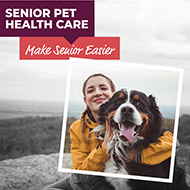
The Make Senior Easier campaign is highlighting the importance of offering appropriate care to ageing pets.
Veterinary health firm Animalcare has developed a suite of resources for practices to enhance the care professionals provide to ageing pets.
The resources form part of the ‘Make Senior Easier’ campaign, highlighting the importance of offering appropriate care to ageing pets. Practices can request their free resource pack by visiting animalcare.co.uk/makesenioreasier
Besides helping professionals build stronger client relationships, AnimalCare hopes the resources will also support owners in caring for their animals as they get older. They include:
- a video offering top tricks and tips to help practices get the best out of the campaign
- health check materials, including a senior triage form to be completed by owners, and a senior pet assessment form, which can act as a checklist for practice staff
- condition handouts for owners, detailing common age-related problems
- engaging social media posts
- generic short articles on age-related issues for use in e-newsletters and on websites.
"By adopting a proactive approach to senior pet care and by helping owners to understand how to best support their pets through this life stage, we will strengthen the bonds with our clients, to ensure the highest standard of care is afforded to all senior patients.''
James Beaumont, Animalcare brand manager, added: “Unfortunately, some signs of a gradual decline in the health of senior patients can go unnoticed. Other changes, perhaps behaviour-related or toileting accidents, can have a significantly adverse effect, not just on the animals but on their owners too. This is why proactively addressing some of the signs of an animal ‘just getting old’ is an important tool for building existing client relationships, as well as making a difference both to animals and their owners.
“As life expectancy increases and numbers of senior pets continue to grow, veterinary care tailored to the needs of these animals has never been more relevant and it is also a huge business opportunity for practices. To help them capitalise on this opportunity, we have created our Make Senior Easier campaign and hope that the resources we have created will improve owner awareness and give practices the tools they need to achieve the best clinical outcomes for older pets and their owners.”


 Companies marketing medicines for small pets exempt from authorisation must submit their annual return to the Veterinary Medicines Directorate (VMD) by 30 November 2026.



