


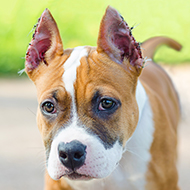
BVA and FOAL Group welcome support for #CutTheCrop campaign.
The UK government has issued a response to a petition, backed by veterinary organisations and animal charities, which calls for action to end the selling and importation of dogs with cropped ears in the UK.
The government responded to the petition after it surpassed 61,000 signatures, stating: “The government will engage with stakeholders, including the RSPCA, to understand the extent to which dogs are having their ears cropped in breach of the law in this country.
“Now the Transition Period has ended, we also have the opportunity to consider options regarding this abhorrent practice for imported dogs, in line with World Trade Organisation rules and would welcome further evidence from stakeholders and the public on this issue.”
The British Veterinary Association (BVA) and The FOAL Group (Focus on Animal Law) welcomed the encouraging response and encouraged the public to continue to spread awareness of the petition so that it can reach 100,000 signatures, at which point it will be debated in parliament.
BVA senior vice president Daniella Dos Santos said: “We’re delighted that the government has committed to working with the #CutTheCrop campaign to close all loopholes that allow the trend of ear cropped dogs to continue in the UK.
“We look forward to engaging with Defra on this matter soon and will be writing to Animal Welfare Minister Lord Goldsmith to request a meeting with various supporting veterinary and animal welfare organisations at the table.
She added: “In recent years, vets and animal welfare charities in the UK have seen a dramatic increase in the number of dogs with cropped ears, marking a frightening trend towards the normalisation of a mutilation that is horrific, unnecessary, and rightfully illegal in this country.
“However, current legal loopholes allow the trend of importing ear-cropped dogs into the UK to continue, and also act as a smokescreen for illegal cropping taking place within the UK.”
To sign the petition and view the government's full response, please visit https://petition.parliament.uk/petitions/574305


 Companies marketing medicines for small pets exempt from authorisation must submit their annual return to the Veterinary Medicines Directorate (VMD) by 30 November 2026.



