


Profession must embrace diversity to see real change, says BVA
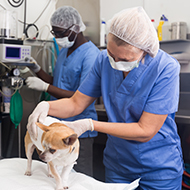
The new RCVS strategy sets out six workstreams with ideas and actions to encourage more diversity and inclusion within the professions.
The BVA has welcomed the publication of the RCVS Diversity and Inclusion Working Group Strategy, stressing that veterinary professionals ‘must genuinely embrace diversity and inclusion if we want to see real change’.
Published on Wednesday (17 February), the strategy sets out six workstreams and draws together ideas and actions from the members of the working group. The group includes the Association of Veterinary Students, BVA, the British Veterinary Ethnicity & Diversity Society, the British Veterinary LGBT+ Society, the BVNA, the Major Employers Group, SPVS and the Veterinary Schools Council.
BVA senior vice president Daniella Dos Santos, whose presidential year theme (2019/20) was #VetDiversity, said: “At BVA we start from the point of view that diversity is a good thing – for our community, our businesses and workplaces, and our clients. But it’s clear that the veterinary professions have a diversity problem.
“For too long we’ve heard that things will change by themselves over time, but the evidence suggests that’s not the case. The veterinary profession must genuinely embrace diversity and inclusion if we want to see real change and demonstrate that the veterinary community is somewhere that people from all backgrounds can thrive."
She continued: “We welcome the publication of the strategy and we’re pleased that it’s supported by key organisations across the veterinary and nursing professions. As leaders in the veterinary community, it’s important that the members of the working group are united in sending out a clear message and leading the action plan.
“Through our good workplaces and widening participation projects, BVA is committed to taking action and developing the information and resources that every individual can use to help break down barriers, increase access, promote visibility, and call out negative behaviour in order to make our profession more welcoming, diverse and inclusive.”
Dr Niall Connell, RCVS senior vice-president and Chair of the DIG, added: “It’s important to emphasise that this Strategy is a start and not an end in and of itself. There will be lots of hard work to be done and challenging conversations to be had, and results may not be quick or immediately obvious, but I am proud that we are taking a proactive approach and not just saying ‘things will change with time’


 Veterinary practices are being urged to help owners safely dispose of any unused and expired pet medicines - not just antibiotics - during November's Animal Medicines Amnesty.



