


Campaign to educate pet owners on feeding habits
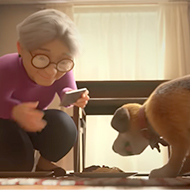
The campaign includes two short films sharing the weight loss journey of 'Poochini' and 'Moto'.
A nationwide campaign to educate pet owners on feeding habits and nutrition has been launched to tackle the growing problem of pet obesity.
Hill's Pet Nutrition's 'Feed the Love, Lose the Weight' campaign comes in response to new figures that show obesity is one of the top five welfare issues amongst UK pets, with the coronavirus lockdowns being recognised as making the situation worse.
Worryingly, the data reveals that 84 per cent of dog owners and almost 73 per cent of cat owners think their animal is an ideal weight. A further 16 per cent of dog owners and 17 per cent of cat owners admitted to feeding their animals more treats over lockdown.
Hill's veterinary affairs manager, Michael Unsworth, said: “We know that at least 50 per cent of pets in the UK are currently clinically overweight or obese and that this is becoming a serious welfare issue. We also know that during lockdown periods exercise may be limited and bad food habits creep in, and if left untreated, can have a hugely detrimental effect on the animal’s health and quality of life going forward.
“People simply don’t realise there is a problem. Most pet owners do not have the education or the recognition to make these informed decisions themselves, and when it comes to their pets, owners can often have their blinkers on. As the animal’s advocate, we are committed to raising awareness of this serious issue and supporting pet parents through that education process.”
Through a suite of free tools and resources, the campaign aims to educate pet owners on the many aspects that make up their pet's health and nutrition, specifically the negative effects of too many treats. It also aims to support veterinary professionals in their conversations with clients about diet.
Mr Unsworth added: “Our free resources will also allow Vet Pros to tackle this issue head-on, without having to wait to see the animals in person. This is a growing epidemic that we as a country need to address right now, and this emotive and informative campaign will help drive awareness amongst owners all over the UK to be more mindful of their pet’s nutrition and eating habits.”
Finally, the campaign also includes two short films sharing the weight loss journey of ‘Poochini ‘and ‘Moto’. The short films will be rolled out across social media, highlighting the change in pets’ quality of life as their weight increases and how a healthy meal plan can support their best friend to live their very best life.


 Companies marketing medicines for small pets exempt from authorisation must submit their annual return to the Veterinary Medicines Directorate (VMD) by 30 November 2026.



