


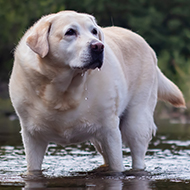
Three quarters of owners are unaware of pet's ideal weight range
A new report has highlighted the ongoing problem of obesity in UK pets, finding that the majority of pet owners in the country are uninformed on how to manage their pet's weight.
The new survey by Burgess Pet Care found that 76 per cent of pet owners are unaware or unsure of the ideal weight range for their pet.
Additionally, 62 per cent of pet owners said that they have never asked a veterinary professional for weight management advice and 32 per cent admitted that they didn’t measure portions when feeding their pets.
The report from Burgess also cited the latest obesity report from the Pet Food Manufacturers Association (PFMA), which revealed that 51 per cent of of dogs, 44 per cent of cats and 29 per cent of small mammals are overweight or obese.
It also stated that 100 per cent of veterinary professionals are concerned about obesity and 74 per cent believe the prevalence of obesity in pets has increased over the last five years.
Worryingly, 68 per cent of pet owners felt that their pet was exactly the right weight and 67 per cent said they were not concerned about obesity.
Dr Suzanne Moyes from Burgess Pet Care urged pet owners to educate themselves on pet obesity and how to prevent it, concluding: “When it comes to managing pet obesity, knowledge is key. From identifying that your pet is overweight to understanding what constitutes a healthy diet to portion control and ensuring they have the right amount of exercise.
“Just as with humans, any weight loss programme requires a dedicated effort to be successful. However, the improved quality of life for your pet when they reach a healthy weight will be well worth it.”


 Companies marketing medicines for small pets exempt from authorisation must submit their annual return to the Veterinary Medicines Directorate (VMD) by 30 November 2026.



