


Lottery funding boost for assistance dog charity
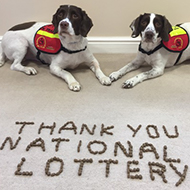
The new funding will enable Dog A.I.D to broaden its reach and make the charity more accessible to people living with disabilities.
An assistance dog charity has received £9,960 of funding from the National Lottery to support the delivery of its services.
Dog A.I.D helps people with disabilities to train their own pet to become an Assistance Dog. Based in Shropshire, the organisation provides services throughout the UK, providing support to owners and enabling them to live a more independent life.
Like many charities, Dog A.I.D's services have been put under pressure as a result of the COVID-19 pandemic. This new funding will enable the team to broaden its reach and make the charity more accessible to people living with disabilities.
Dog A.I.D currently has 117 fully qualified Dog A.I.D dogs with 121 more in training. Training takes from 18 months to two years with both dog and owner receiving specialist education from a network of trainers.
Rachel Rodgers, training and development manager at Dog A.I.D said: “When Covid-19 hit, our trainers were unable to deliver their usual face to face training sessions with clients. What’s more, many of our clients with underlying health issues found themselves self-isolating for long periods of time. We, therefore, needed to quickly adapt our services to support clients with their training, as well as offering emotional support.”
To adapt to the pandemic, the charity organised webinars to share valuable tips and enrichment information. This led to the realisation that delivering e-learning tools would not just benefit existing clients, but also those who didn’t have volunteer trainers in their area.
Sandra Fraser, Dog A.I.D. chair, said: “As a result of being granted £9,960 from the National Lottery, Dog A.I.D. is now in a position to put in place the Remote Development Project which will go live in 2021. Such support is incredible and will allow us to broaden the reach of our services via an online portal.
“We can then make our training programme more widely accessible to people with disabilities, such as step-by-step training videos, discussion forums, practical support and assessments.”


 Companies marketing medicines for small pets exempt from authorisation must submit their annual return to the Veterinary Medicines Directorate (VMD) by 30 November 2026.



