


Fresh warning over dogs in hot cars amid lockdown easing
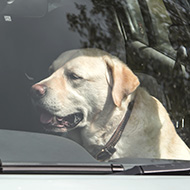
"We would urge owners to only travel if they can ensure their dog can be kept cool" - Bill Lambert, The Kennel Club.
As travel restrictions begin to ease in the UK, pet owners are being reminded of the dangers of leaving their dogs inside hot cars.
The warning from the Kennel Club comes as warm weather and sunshine are set to sweep the nation ahead of the bank holiday weekend.
The organisation has teamed up with rescue and rehoming charities, police, and welfare organisations to highlight the dangers of warm weather to dogs as part of the annual Dogs Die in Hot Cars campaign.
This year's campaign launches one week after the UK government announced that people in England could travel by car for dog walks and visit garden centres.
Owing to COVID-19, many usually dog-friendly businesses have changed their rules, and the group is urging owners not to leave their dog in a car, even with the windows down, and to check before they travel.
Likewise, with social distancing measures in place, the group warns that queues can be much longer, and in many shops one-way systems are in place, meaning dogs could be left for some time in vehicles.
“Regardless of the easing of lockdown, we would urge owners to only travel if they can ensure that their dog can be kept cool, and to check any destination they are travelling to is dog-friendly so they are never left in a vehicle,” commented Bill Lambert, head of health and welfare at the Kennel Club.
“Due to coronavirus, we have heard many places that are usually dog-friendly have changed their rules and unless owners are aware of this, more dogs will be left in hot cars. Please check before you travel – this situation can be easily avoided.”
BVA president Daniella Dos Santos added: “Vets all too often see the unfortunate and sometimes tragic consequences of dogs being left on their own in cars on a warm day. With warm days forecast, more people are expected to take car journeys for exercise or leisure to take advantage of the sunshine.
“We’d urge pet owners not to leave any animal in a car while out and about, even if it is for a short trip to the supermarket. Temperatures can rise quickly inside a vehicle even when it doesn’t feel that hot outside, which is why ‘not long’ can end up being too long for your beloved pet.”


 Companies marketing medicines for small pets exempt from authorisation must submit their annual return to the Veterinary Medicines Directorate (VMD) by 30 November 2026.



