


Cats may transmit COVID-19 to other cats, study suggests
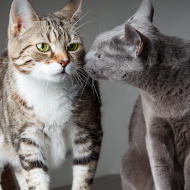
The findings suggest cats may be capable of becoming infected with the virus when exposed to people or other cats with SARS-CoV-2.
Cats can become infected with SARS-CoV-2 – the virus responsible for the COVID-19 pandemic - and may be able to transmit the virus to other cats, according to new research.
Scientists at the University of Wisconsin School of Veterinary Medicine administered SARS-CoV-2 to three cats. The next day, nasal swabs of the cats revealed the virus has taken hold in two of the animals. By the third day, all three cats were confirmed with the virus.
The day after researchers administered the virus to the first three cats, they placed another cat in each of their cages. The scientists did not administer SARS-CoV-2 to these cats.
Nasal and rectal swabs were taken from all six cats in the following days to assess them for the presence of the virus. Within two days, one of the previously uninfected cats was shedding the virus, and within six days, all of the cats were shedding the virus. None of the rectal swabs contained the virus.
Each cat shed SARS-CoV-2 from their nasal passages for up to six days. The virus was not lethal, and none of the cats showed signs of the illness. All of the cats ultimately cleared the virus.
“That was a major finding for us — the cats did not have symptoms,” says lead author Yoshihiro Kawaoka, who is also helping lead an effort to create a human COVID-19 vaccine called CoroFlu.
Researchers say their findings suggest that cats may be capable of becoming infected with the virus when exposed to people or other cats positive for SARS-CoV-2. It follows a study published in Science by scientists at the Chinese Academy of Agricultural Sciences that also showed cats and ferrets could become infected with, and potentially transmit the virus.
“It’s something for people to keep in mind,” says Peter Halfmann, a research professor at UW–Madison who helped lead the study. “If they are quarantined in their house and are worried about passing COVID-19 to children and spouses, they should also worry about giving it to their animals.”
Both researchers advise that people with symptoms of COVID-19 avoid contact with cats. They also advise cat owners to keep their pets indoors to limit the contact their cats have with other people and animals.
The study is published in the New England Journal of Medicine.


 Companies marketing medicines for small pets exempt from authorisation must submit their annual return to the Veterinary Medicines Directorate (VMD) by 30 November 2026.



