


AFSCAN Scholarship renamed in honour of Michael Day
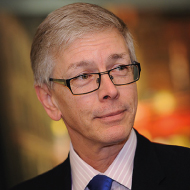
Professor day was fundamental in transforming global vaccination guidelines and developing the concept of One Health.
The North American Veterinary Community (NAVC) has paid tribute to the late Emeritus Professor Michael Day by renaming its annual Colin F. Burrows International African Small Companion Animal Network (AFSCAN) Scholarship the Michael J. Day AFSCAN Scholarship.
An internationally-renowned leader in veterinary medicine, Professor Day was the inaugural vice-president of the WSAVA Foundation. In this role, he helped to develop and lead the scientific aspects of the AFSCAN project to improve standards of companion animal veterinary care in Sub-Saharan Africa.
Described by the NAVC as a 'driving force' in researching immunisation, Professor Day was also fundamental in transforming global vaccination guidelines and developing the concept of One Health. His passing was announced earlier this month.
“Emeritus Professor Day embodied the tenets of the NAVC’s Colin F. Burrows International Scholarship Program every day with his tireless work ethic, constant curiosity and intelligence, concern for the veterinary community and passion to spread education globally,” commented NAVC CEO Gene O’Neill.
“We are proud to honor his monumental career and carry on his legacy of service and knowledge through future AFSCAN Scholarship recipients.”
The NAVC International Scholarship Programme was founded in 1995 to recognise and foster international leaders in the field of veterinary medicine. Recipients of the scholarship receive an all-expenses-paid trip to Orlando's Veterinary Meeting and Expo, the world's largest veterinary conferences for continuing education.
In 2015, the NAVC partnered with the WSAVA and the WSAVA Foundation to enhance the candidate selection process and introduce the AFSCAN Scholarship. In the same year, the entire programme was named after veterinary surgeon Colin F. Burrows, NAVC’s first executive director and past president of the WSAVA.
“The credibility and value attached to the AFSCAN Scholarship among veterinarians in Africa is the result of Michael’s hard work and ensures that every year, we receive many high-quality applicants'” said Dr Gabriel Varga, President of the WSAVA Foundation and AFSCAN Lead.
“It is just one of the many ways in which Michael contributed to AFSCAN’s success and we are deeply grateful to him. Our Board Members warmly welcome this proposal from Professor Burrows and gladly support it.”


 Veterinary practices are being urged to help owners safely dispose of any unused and expired pet medicines - not just antibiotics - during November's Animal Medicines Amnesty.



