


RSPB reports surge in raptor shootings during lockdown
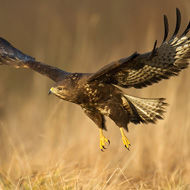
It is illegal to intentionally kill or injure a bird of prey.
The RSBP has reported a surge in the number of birds of prey being illegally killed during lockdown.
The charity says police have been called out to investigate multiple cases involving the shooting, trapping and suspected poisoning of birds of prey following reports by the public.
Among the confirmed incidents in the past six weeks have involved the targeting of hen harriers, peregrines, buzzards, red kites, goshawks and a barn owl. A significant number of the ongoing investigations have occurred on land managed for grouse shooting, the RSPB said.
Under the Wildlife and Countryside Act 1981, it is illegal to intentionally kill or injure a bird of prey and could result in an unlimited fine or up to six months in jail.
Mark Thomas, RSPB Head of Investigations UK, said: “Since lockdown began, the RSPB has been overrun with reports of birds of prey being targeted. It is clear that criminals on some sporting estates both in the uplands and lowlands have used the wider closure of the countryside as an opportunity to ramp up their efforts to kill birds of prey.
“Spring is the time when birds of prey are most visible and therefore vulnerable, as they put on courtship displays, build nests and find food ready to breed. It is clear the criminal actions are targeted and malicious in nature, taking out birds before they have the opportunity to breed, often in areas where they have previously faced persecution.
“We welcome the fact that the public is remaining vigilant and encourage any suspicious incidents to be reported. But please observe government guidelines at all times.”
According to the RSPB, a red kite was found shot dead near Leeds over the Easter weekend with 12 shotgun pellets lodged in its body. The following weekend, wildlife presenter Iolo Williams recovered a dead red kite in Powys, which had also been shot.
In Scotland, the police are following up on several raptor persecution cases and multiple reports of illegal trap use on grouse moors.
Superintendent Nick Lyall, head of the Raptor Persecution Priority Delivery Group, added: “Over recent weeks, I have been sickened by the number of raptor persecution cases that have come to my attention as chair of the Raptor Persecution Delivery Group. I know that there are officers currently investigating a number of crimes against wild birds of prey which have occurred since lockdown began.
“It is clear that lockdown has been seen as a green light by those involved in raptor persecution offences to continue committing crimes, presumably in the belief that there are fewer people around to catch them doing so.
“I remain grateful to everyone involved in investigating these crimes, and thankfully in the vast majority of the cases I am aware of, it looks like some really good lines of enquiry are taking place which should lead to arrests and interviews.”


 Companies marketing medicines for small pets exempt from authorisation must submit their annual return to the Veterinary Medicines Directorate (VMD) by 30 November 2026.



