


Cats Protection launches hands-free adoption service
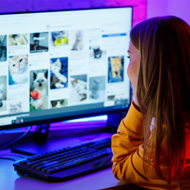
Cats Protection has launched a new Hands-Free Homing service for potential pet owners during the coronavirus pandemic.
Leading feline welfare charity Cats Protection has launched a new way for people to find their purr-fect companion during the COVID-19 pandemic.
The charity's new Hands-Free Homing service enables prospective owners to view photos, videos and full descriptions of each moggie so they can garner as much information as possible before proceeding with an adoption.
If a match is found, Cats Protection will arrange a virtual meeting to carry out the necessary checks, and the cat will be delivered to its new home with strict social distancing measures being observed.
The charity will then conduct follow up calls with each owner in the weeks following the adoption to ensure that both they and their new pet are happy, with additional support available through its website.
Cats Protection director of operations Mark Beazley said: “This is a fantastic scheme, which will not only help to us to find loving homes for the cats in our care but can also help provide much-needed companionship for people at this difficult time.
“We know from our own research that nine out of 10 owners say their cat has a positive effect on their mental wellbeing. And two thirds also said that their cat helps them calm down when working from home, which it looks like many of us will be continuing to do for some time to come.”
Claire Blekkenhorst from Surrey and her eleven-year-old son adopted seven-year-old black cat Wilfey from Cats Protection under the new scheme and say that couldn’t be happier.
Claire said: “We are so in love with Wilfey. He has bonded so specially with my son and follows him everywhere. They have become very firm friends and sleep together every night. For a seven-year-old cat, he is super playful and inquisitive. He has loads of toys but, to be honest, his favourite game is to chase his own tail!
“We are so very grateful to Cats Protection for matching us with Wilfey. We lost our first cat in January and I honestly couldn’t imagine another cat coming into our lives and being adored so much, but it turns out it is possible.”


 Veterinary practices are being urged to help owners safely dispose of any unused and expired pet medicines - not just antibiotics - during November's Animal Medicines Amnesty.



