


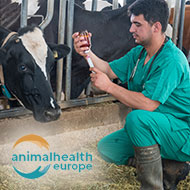
Advises vets to contact company representatives as the situation evolves
AnimalHealthEurope – representative of 90 per cent of European manufacturers of animal health products – has confirmed that there are currently no supply problems for veterinary medicines, despite the ongoing COVID-19 pandemic.
In a written address to stakeholders and industry professionals, secretary general of AnimalHealthEurope Roxane Feller said: “We are pleased to confirm that the European Commission, in the updated guidelines for Green Lanes, has designated veterinary medicines as ‘essential goods', so that we can continue to ensure access to medicines for livestock farmers, veterinarians and other animal owners.”
The secretary general also stated that currently:
- member companies report no anticipated shortages of products
- AnimalHealthEurope’s national associations confirm that no local companies have reported any supply or manufacturing issues at this time
- the European animal health industry does not currently foresee any supply interruptions.
However, AnimalHealthEurope advised all veterinary professionals to contact company representatives in order to determine product availability should any issues arise, and to help them identify any possible alternatives in the event of a delayed supply.
Livestock and aquaculture farmers are also advised to contact their veterinary surgeons with any concerns over the supply of animal health products.
The association added that, as the disease situation is constantly developing, there is still uncertainty around future developments regarding availability of staff, sourcing of active ingredients and its ability to continue full production, concluding: “It is therefore extremely difficult to share any prediction on the continued supply of medicines beyond the short term.”


 Companies marketing medicines for small pets exempt from authorisation must submit their annual return to the Veterinary Medicines Directorate (VMD) by 30 November 2026.



