
Your data on MRCVSonline
The nature of the services provided by Vision Media means that we might obtain certain information about you.
Please read our Data Protection and Privacy Policy for details.

In addition, (with your consent) some parts of our website may store a 'cookie' in your browser for the purposes of
functionality or performance monitoring.
Click here to manage your settings.
If you would like to forward this story on to a friend, simply fill in the form below and click send.

Your friend's email:
Your email:
Your name:
 
 
Send Cancel

Early neutering of bitches increases incontinence risk
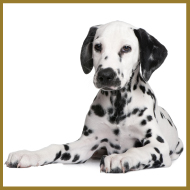
Bitches of certain breeds are more prone to early-onset urinary incontinence
Research reveals link between age and onset

Urinary incontinence affects around three per cent of bitches in the UK. The condition can be distressing and costly for owners and also harm the welfare of affected dogs, owing to an increased risk of urinary infection and dermal lesions stemming from urine-soaked skin.

The link between urinary incontinence and neutering in bitches has previously been suspected, but a study published in the Journal of Small Animal Practice provides real evidence on the extent of this relationship.

The results identified an increased risk of 2.12 times of urinary incontinence in neutered bitches compared with entire individuals. Further to this, it identified an increased risk of 1.82 of urinary incontinence in bitches neutered before six months of age compared with those neutered from six to 12 months within the first two years following surgery.

Although there are many benefits to neutering bitches, these results will help veterinary professionals to make evidence-based recommendations on the timing of neutering, whilst taking other considerations into account.

Other key findings include:
  • average age at diagnosis of UI was 2.9 years
  • average time from neuter to UI was 1.9 years.
  • bitches weighing over 30kg had 2.62 times the risk of UI compared with bitches weighing under 10 kg
  • increasing bodyweight was also associated with an increased risk of early-onset urinary incontinence.
The study also indicates that bitches of certain breeds – Irish setters, Dalmatians, Hungarian vizslas, Dobermans and Weimaraners – are more prone to early-onset urinary incontinence than other breeds; which highlights that special care needs to be taken when deciding on whether to neuter these breeds.

The research was supported by BSAVA Petsavers and collected data from anonymised veterinary clinical records of 72,971 bitches.

Become a member or log in to add this story to your CPD history

RCVS announces 1CPD app update

News Story 1
 The RCVS has announced a new version of its 1CPD mobile app, with enhanced features for veterinary surgeons and veterinary nurses to record their continuing professional development.

The mobile app includes a new 'what would you like to do?' shortcut for frequent tasks, a notification badge, and the ability to scan a QR code from the home screen to easily record an activity.

Users will be prompted to update the app from the App Store or Google Play the next time they log in. For more information, visit RCVS.org.uk 

Click here for more...
News Shorts
Nominations open for RCVS and VN Council elections

The nomination period for the 2026 RCVS Council and VN Council elections is now open, with three veterinary surgeon seats and two veterinary nurse seats available.

Prospective candidates can download an information pack and nomination form from the RCVS website. Individuals can nominate themselves for the elections, with the results to be announced in the spring.

Clare Paget, the recently appointed RCVS Registrar and elections returning officer, said: "If you want to play your part in influencing and moulding how the professions are regulated, and making key decisions on matters of great importance to your peers, the public and animal health and welfare, please consider standing for RCVS Council or VN Council next year."

Nominations close at 5pm on Saturday, 31 January 2026.

