


NOAH launches vision for animal health and welfare
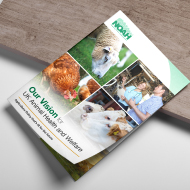
NOAH's ambition for the development of a new chapter in UK agriculture policy
Paper presented at One Health conference in London
At its ‘One Health’ conference in London, the National Office for Animal Health (NOAH) has set out the association’s ambition for the development of a new chapter in UK agriculture policy.
By providing vision and a framework, it identifies what needs to be done to improve the health and welfare of UK livestock and how it can be delivered – placing animal health at its heart to deliver key benefits for all.
Vision for UK Animal Health and Welfare – Agriculture Policy that’s fit for the future puts forward recommendations that include:
- animal health – tackling endemic disease
- help for farm infrastructure and equipment
- investing in farm staff
“We know there are challenges – for example, static productivity levels and a lack of national co-ordination and forward momentum for endemic disease control and monitoring needs to be addressed. But we believe there is a wealth of experience and expertise in farm animal health in the UK and we now have an unprecedented opportunity to tackle these challenges and guide animal health and welfare towards an achievable vision.
“Our paper sets out a holistic approach, because we believe no single action is going to deliver proper forward momentum.”
He cited the NOAH Animal Medicines Best Practice (AMBP) training programme, delivering training in responsible antibiotic use for farmers, as a good case study of industry working together to deliver practical solutions. This programme has been endorsed by the Government and is well supported throughout the farming and veterinary sector.
Concluding, Mr Brannan said: “Our call to action asks that both industry and the Government work collaboratively to design and deliver a clear UK strategy for animal health and welfare, to seize this huge and unprecedented opportunity for the UK to lead and deliver sustainable agriculture.”


 Companies marketing medicines for small pets exempt from authorisation must submit their annual return to the Veterinary Medicines Directorate (VMD) by 30 November 2026.



