


One in three ‘could have bought pet from a puppy farm’
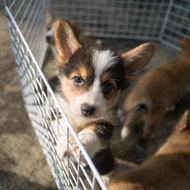
Appearances also seem to be a key factor in buying a new puppy, with two in five people choosing a pet because of its looks.
Nearly a third of puppy buyers admit they could have bought their pet from a puppy farm after not doing enough research, a survey shows.
The new figures from the Kennel Club also suggest a fifth of puppies that are bought on impulse get sick or die before their first birthday, while two in five buyers spend more than expected on their pup’s health.
Impulse buying was worrying common among the respondents, with more than 60 per cent finding a pup online and buying it without even seeing it, while 22 per cent had their new pet delivered direct to their door. The Kennel Club says nearly half of puppies bought online without being seen end up with serious health issues, needing expensive ongoing veterinary treatment.
Appearances also seem to be a key factor in buying a new puppy, with two in five people choosing a pet because of its looks, without considering its health, temperament or exercise needs.
Around a quarter of the respondents did less than two hours research before buying their puppy, and these buyers missed key red flags about the breeder.
Of those respondents who did limited research:
- 44 per cent did not see the puppy interact with its mother
- 90 per cent were not asked any questions by the breeder about their suitability for dog ownership
- 83 per cent did not see relevant health test results from the puppy’s parents.
Overall, a third of puppy buyers professed to being ‘clueless’ about how to find a reputable breeder and the warning signals of a backstreet breeder.
Commenting on the findings, Kennel Club secretary Caroline Kisko said: “Millions of puppies are suffering as a result of being irresponsibly bred and sold, and millions of consumers are completely unaware that their buying habits are actually fuelling this cruel trade. The impact of this is truly devastating and brings with it suffering, heartache and financial problems, all for the profit of rogue breeders and puppy farmers.
“A puppy is for life, it’s not something you should just search for online, see a cute photo and buy within an hour, having it delivered to your door. This is a dangerous trend which is growing with the likes of Instagram, but puppies are not a commodity.
“We are urging people to do proper, careful and extensive research – to ‘Paws for thought’ and make sure the pup is right for you, and that you can spot the signs of a bad breeder. The more time you spend, the more aware you will be, and the much more likely you are to bring home a happy, healthy puppy, rather than fueling untold suffering and heartache.”


 Veterinary practices are being urged to help owners safely dispose of any unused and expired pet medicines - not just antibiotics - during November's Animal Medicines Amnesty.




