


AMR: Pig council publishes antibiotic guidelines
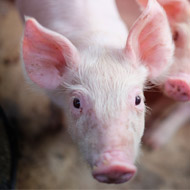
The guidelines offer advice on how to use antibiotics when a veterinary surgeon has recommended them as appropriate.
The Pig Health and Welfare Council (PHWC) has released a set of guidelines to help farmers use antibiotics responsibly.
Put together by the council’s Antimicrobial Use sub-group, the guidelines offer advice on how to use antibiotics when a veterinary surgeon has recommended them as appropriate.
Pig farmers must observe good biosecurity and husbandry to control disease and reduce the need for antibiotics. This includes proper management of ventilation, nutrition, water supply, housing, hygiene and biosecurity.
The guidelines stress that antibiotics must only be used after consultation with a veterinary surgeon.
In addition, they recognise that in specific situations, vets may advise alternative good practice solutions based on their knowledge of the farm. In these scenarios, it is emphasised that advice from a vet should always take precedence over the PHWC guidelines.
National Pig Association’s policy advisor Georgina Crayford, who sits on the antimicrobial sub-group, urged all producers to familiarise themselves with the guidelines, to ensure the industry continues to use antibiotics responsibly, reducing their use whilst maintaining animal health and welfare.


 Companies marketing medicines for small pets exempt from authorisation must submit their annual return to the Veterinary Medicines Directorate (VMD) by 30 November 2026.



