


Threat of bluetongue outbreaks set to increase - study
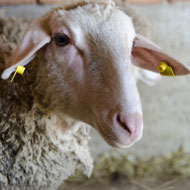
A combination of geographic location, weather conditions, and existing animal movement restrictions helped limit the impact of the 2007 bluetongue outbreak.
Scientists are calling on farmers to remain vigilant for bluetongue after a study found that the threat of future outbreaks is only set to increase.
Researchers from the University of Liverpool used a mathematical model to identify why the 2007 outbreak of bluetongue was smaller than it could have been. They also used the model to predict the future impact of the disease in northern Europe as global temperatures rise.
Their paper, published in Scientific Reports, indicates that a combination of geographic location, weather conditions, and existing animal movement restrictions helped limit the impact of the 2007 outbreak to 135 farms.
It notes that had the virus entered the UK in the west of England, then the outbreak would have been much larger. This is because the southeast - where the disease is believed to have entered - is an area of lower farm density and gave midges less opportunity to spread.
Likewise, the paper notes that had the outbreak occurred in a warmer year, then it would have been much larger. This “is something that is likely to occur more frequently in the future due to climate change”, said study author Dr Joanne Turner from the Institute of Infection and Global Health.
Furthermore, the paper indicates that the presence of animal movement restrictions - introduced for the 2007 foot-and-mouth outbreak - almost certainly helped to contain the bluetongue outbreak.
Another paper published in Nature Climate Change looked at the risk of bluetongue transmission under future climates. It found that by 2100, the disease risk will extend further north, the transmission season will last up to three months longer and outbreaks will be larger.
The researchers say that existing control measures should still be enough to prevent the largest outbreaks, but emphasise the need for an ongoing culture of vigilance.
“Bluetongue emerged in northern Europe in response to climate change, and has already affected tens of thousands of farms at a huge financial cost and caused the deaths of millions of animals,” warns study author Dr Anne Jones from the Department of Mathematical Sciences.
"Our results suggest that efficient detection and control measures to limit the spread of bluetongue and similar newly emerging vector-borne diseases will be increasingly vital in a future, warmer world.”


 Companies marketing medicines for small pets exempt from authorisation must submit their annual return to the Veterinary Medicines Directorate (VMD) by 30 November 2026.



