


Defra updates contingency plan for notifiable diseases
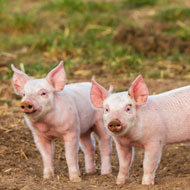
The updated plan comes amid increasing concern surrounding the risk of African swine fever entering the UK.
The Department for Environment and Rural Affairs (Defra) has published an updated contingency plan for exotic notifiable diseases of animals in England.
The updated plan comes amid increasing concern surrounding the risk of African swine fever entering the UK. It explains how animal keepers can prevent against disease, what animal keepers must do if they suspect disease and how the government will respond to disease.
‘As animal keepers you are responsible for the health and welfare of your animals,’ the contingency plan states. ‘You should check and monitor for any signs of ill health. These could be changes in behaviour, a loss of condition, lameness, stopping eating or drinking, vocalising more or developing skin or hide lesions.
‘You should follow good biosecurity at all times, regularly check the health of your livestock, poultry and individual animals, and monitor them for changes in production. Reviewing production records can help you to detect disease early. If you are concerned about the health of your animals (including birds and companion animals/pets) you should consult your vet promptly.’
The plan outlines how the government will manage an incident or outbreak of exotic disease in England. If a notifiable exotic disease is confirmed, it will take action - in partnership with operational partners and stakeholders to:
- stamp out the disease, so that we can regain our disease-free status. This may involve the disease control measures described in this publication
- protect the health and safety both of the public and of those directly involved in controlling the outbreak
- keep to a minimum the economic effects on the taxpayer, the public and the farming industry.
In its objective to control disease, Defra seeks to:
- keep to a minimum the number of animals that die or need to be humanely destroyed, whether for disease control purposes or to safeguard animal health and welfare
- balance adverse effects on animal health and welfare, the rural and wider economy, the public, rural communities and the environment.
For the majority of diseases, Defra will do this by:
- taking action on the infected premises and other premises where disease is most likely to have spread from and to
- declaring movement control zones such as protection zones, surveillance zones or restricted zones as required by EU and national legislation.
- restricting activities that might increase the risk of spread – for example, there might be a ban on hunting or shooting
- considering banning gatherings of animals including shows or market
- considering export bans
- considering compulsory housing of animals susceptible to the disease
- investigating the origin of the disease and determining whether there has been further spread of disease from that source
- completing other surveillance to investigate the possible further spread of disease.
‘If disease is confirmed on your premises you will need to continue to comply with the restrictions and measures put in place on your farm until the disease is stamped out and restrictions are lifted,’ the plan adds.


 Companies marketing medicines for small pets exempt from authorisation must submit their annual return to the Veterinary Medicines Directorate (VMD) by 30 November 2026.



