


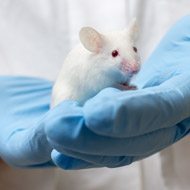
New data reveals an extra 1.8 million animals were used in research last year
Animal welfare charities are calling on the UK government to open up animal research to public scrutiny and encourage the use of modern non-animal methods.
The call comes as new government data shows an extra 1.8 million animals were used in research last year. The figure, released under the requirements of the EU Directive on animal experiments, is almost 50 per cent higher than the figure previously reported (3.7 million).
National Anti-Vivisection Society (NAVS) president Jan Creamer said: “This huge and previously unreported increase in animal use signals the urgent need for the UK Government to end the secrecy surrounding animal tests.
“Advanced modern methods are more accurate, relevant and humane, and researchers should be encouraged to adopt their use.”
The NAVS is also calling for licence applications submitted by animal researchers to be made public before their experiments are given the go-ahead, omitting personal or intellectual property.
The latest figures include animals that were bred in laboratories and later killed for experiments that use their organs and tissues. The RSPCA said that animals may have also been bred and killed to maintain breeding colonies.
Dr Penny Hawkins, head of research animals at the RSPCA said the figures provide a far more accurate picture of the true impact of scientific research on individual animals.
“The experiences of these 1.81 million animals who are bred, and killed, as part of the scientific process, have for too long been hidden from view,” she said. “In an era of increased openness and transparency, it is essential that these forgotten animals are recognised, and accounted for, every time data is released on the use of animals in science.
“With this level of impact on lab animals, it has never been more important that the perceived ‘necessity’ for using animals, the validity of these animals as experimental ‘models’, and the standards to which science is carried out and reported, are robustly scrutinised and challenged in every case.
"
She continued: “Some may argue that because these animals haven’t been used in actual scientific procedures, they have not suffered. But all have lost their lives and the Home Office itself recognises that even good laboratory conditions of housing and husbandry will compromise the animal’s well-being to some degree.”


 Companies marketing medicines for small pets exempt from authorisation must submit their annual return to the Veterinary Medicines Directorate (VMD) by 30 November 2026.



