


African swine fever confirmed in southern China
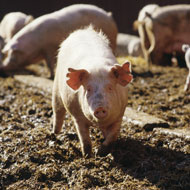
The cases in the south could have a major impact on China’s pork market.
The African Swine Fever outbreak in China has spread to the south of the country for the first time.
According to news agency Reuters, two new cases were reported in Yunnan province, south-west China, on Sunday (21 October).
Pan Chenjun, a senior analyst told Reuters: “Now there’s only some provinces that haven’t confirmed any cases but it’s very unlikely that they will be clean. Basically, it’s already everywhere.”
More than 40 outbreaks of swine flu have been reported by China in recent months, resulting in the cull of around 20,000 pigs. Until now, the outbreaks had been contained to the north and eastern provinces, but now it has spread to the South, China’s major pork-consuming region.
Analysts warn that the cases in the south could have a major impact on China’s pork market; Yunnan’s bordering provinces, Sichuan and the Guangxi region, produce millions of pigs every year.
Research shows that people in Sichuan eat around 68kg or pork per person per year, compared to the 20kg of pork eaten by people in Shanxi province in northern China.
It is feared that if China prohibits the movement of pigs from Yunnan as it has in the north, then pork supplies in the south of the country could tumble. Already supplies that are trapped in the north cannot reach the south, causing distortions in prices, Reuters reports.


 Companies marketing medicines for small pets exempt from authorisation must submit their annual return to the Veterinary Medicines Directorate (VMD) by 30 November 2026.



