


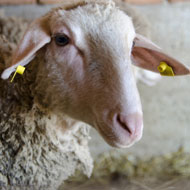
Cases are still being reported despite falling levels
Outbreaks of blowfly strike are still being regularly reported despite falling levels, according to the latest forecast from Nadis and Elanco.
The risk level is now ‘low’ for most of the country, owing to a series of mini heatwaves during the summer. However, farmers have been warned to keep their guard up.
Cases have continued to be reported well into November, and even December, in previous years.
"In most areas the falling temperatures mean that the strike risk is now relatively low," says Richard Wall, professor of zoology at Bristol University.
"However, blowflies are still active, and any prolonged warm autumn weather could still result in late season strikes, particularly with the onset of further rain. High levels of care are still required."
Nearly half of farmers (43 per cent) said blowfly season now lasts longer than 20 weeks, while 37 per cent experienced cases later than previously, according to a survey.
Fiona Hutchings, technical vet at Elanco, added: "There are no guarantees when it comes to blowfly strike - with levels identified into November, an essential part of any strategy, has to ensure an early treatment that extends right through the long season."
SQPs are being urged to recommend IGR preventative treatments, whilst continuing to monitor updates from the blowfly strike tracker and Nadis alerts. Farmers are also encouraged to report any incidents of strike in their animals.


 Companies marketing medicines for small pets exempt from authorisation must submit their annual return to the Veterinary Medicines Directorate (VMD) by 30 November 2026.



